
Full Mouth Reconstruction in Bristol, CT
Full-mouth reconstruction brings teeth, gums, and bite back to health and function through a coordinated treatment plan. At Henderson & Goslee Family Dentistry, patients can explore full-mouth reconstruction in Bristol, Connecticut, to address widespread wear, missing teeth, chronic pain, or complex dental concerns in a structured, stepwise approach.
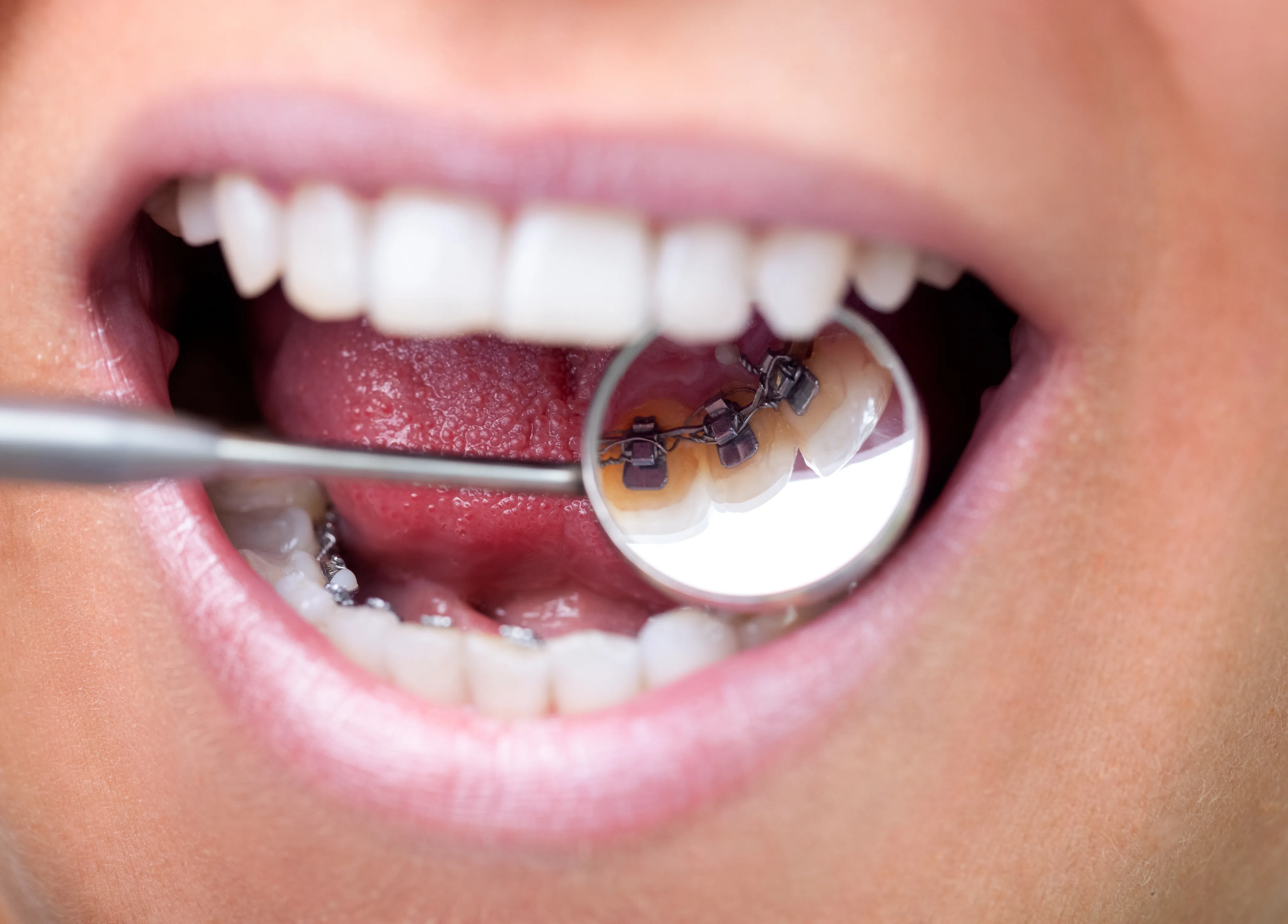
Full-Mouth Reconstruction Explained
Full-mouth reconstruction, sometimes called full-mouth rehabilitation, combines multiple restorative and cosmetic procedures to rebuild the entire smile. The plan may include dental crowns and bridges, dental implants with implant-supported restorations, tooth-colored fillings, periodontal therapy, and bite adjustments to improve occlusion. Unlike a single filling or crown, this process restores many teeth at once while also improving the way upper and lower teeth meet.
Patients often ask what is full-mouth reconstruction versus a smile makeover. The key difference is intent: a reconstruction focuses first on oral health, strength, and function, and then refines appearance. It is a medical and functional solution designed to help with chewing, speaking, and comfort, while also creating a natural-looking result.
Benefits of Full-Mouth Reconstruction
- Comprehensive repair for damaged, decayed, or missing teeth.
- Improved bite alignment and occlusion to reduce jaw strain and headaches.
- Stronger chewing ability for more comfortable eating.
- Balanced aesthetics with shape, shade, and symmetry considered.
- Personalized sequencing to fit comfort, healing, and timelines.
- Long-term stability when paired with good home care and regular visits.
How Full-Mouth Reconstruction Works
Comprehensive Evaluation
The process starts with a thorough exam, digital X-rays, and often 3D imaging and photographs. A bite analysis helps identify where forces are uneven or where teeth are overworked. Gum health is assessed because stable periodontal tissues are essential for long-lasting results.
Personalized Treatment Plan
A written plan outlines recommended procedures, such as periodontal therapy, root canals, extractions, dental implants, and provisional restorations. Timing, healing milestones, and materials are reviewed so patients understand each step before treatment begins. Every plan is customized to the mouth’s current health, goals, and budget.
Phased Care and Provisional Restorations
Care is often delivered in phases. Early phases address infection and inflammation. Next, teeth are rebuilt with fillings, onlays, or crowns. Implants are placed where needed to support single teeth or bridges. Provisional restorations let patients test bite changes and aesthetics before final ceramics are made.
Final Restorations and Bite Refinement
When tissues are stable and implants have healed, final restorations are seated. Careful adjustments fine-tune the occlusion so teeth share forces evenly. This step is critical for comfort and the longevity of the work.
Your Experience and What to Expect
Timelines vary. Some plans finish in a few months, while cases involving implants may take nine to twelve months or longer to allow for proper healing. Appointments can be grouped to reduce visits when appropriate, or spaced to prioritize comfort and recovery.
Local anesthesia is used for most procedures, with sedation available when indicated. Mild soreness is common for a day or two after visits; over-the-counter pain relief and following home-care instructions usually manage symptoms well. Recovery after full-mouth reconstruction depends on the procedures performed, but clear aftercare guides are provided for each step.
Materials for final restorations may include porcelain, zirconia, or hybrid ceramics. Choices consider strength, location in the bite, and desired appearance. With routine hygiene, nightguards when recommended, and regular checkups, results can last many years.
Patients often wonder about maintenance. Daily brushing and flossing, plus professional cleanings, protect the investment. If clenching or grinding is present, a custom nightguard can reduce stress on teeth and restorations.
Frequently Asked Questions About Full-Mouth Reconstruction
For questions about full-mouth reconstruction in Bristol, CT, or to discuss your options, contact Henderson & Goslee Family Dentistry at 860-589-7170 to schedule a consultation with our dentist, Dr. Marc Henderson.

Contact Us
We'd Love to Hear From You
255 N. Main St., Bristol, CT 06010
Office Hours